In the war, strategy and tactics are used over the years to decide the outcome. Because of the popularity of tabletop roleplaying these strategies are also used in a setting that simulates battle – namely the sci-fi-model battlefields of Warhammer 40K! This beginner’s guide will help you to get started in the world of troops, tanks, and battles. In this guide, we’ll discuss the various aspects of fortifications in the game and how they can be used on the field to how they aid or hinder your opponents.
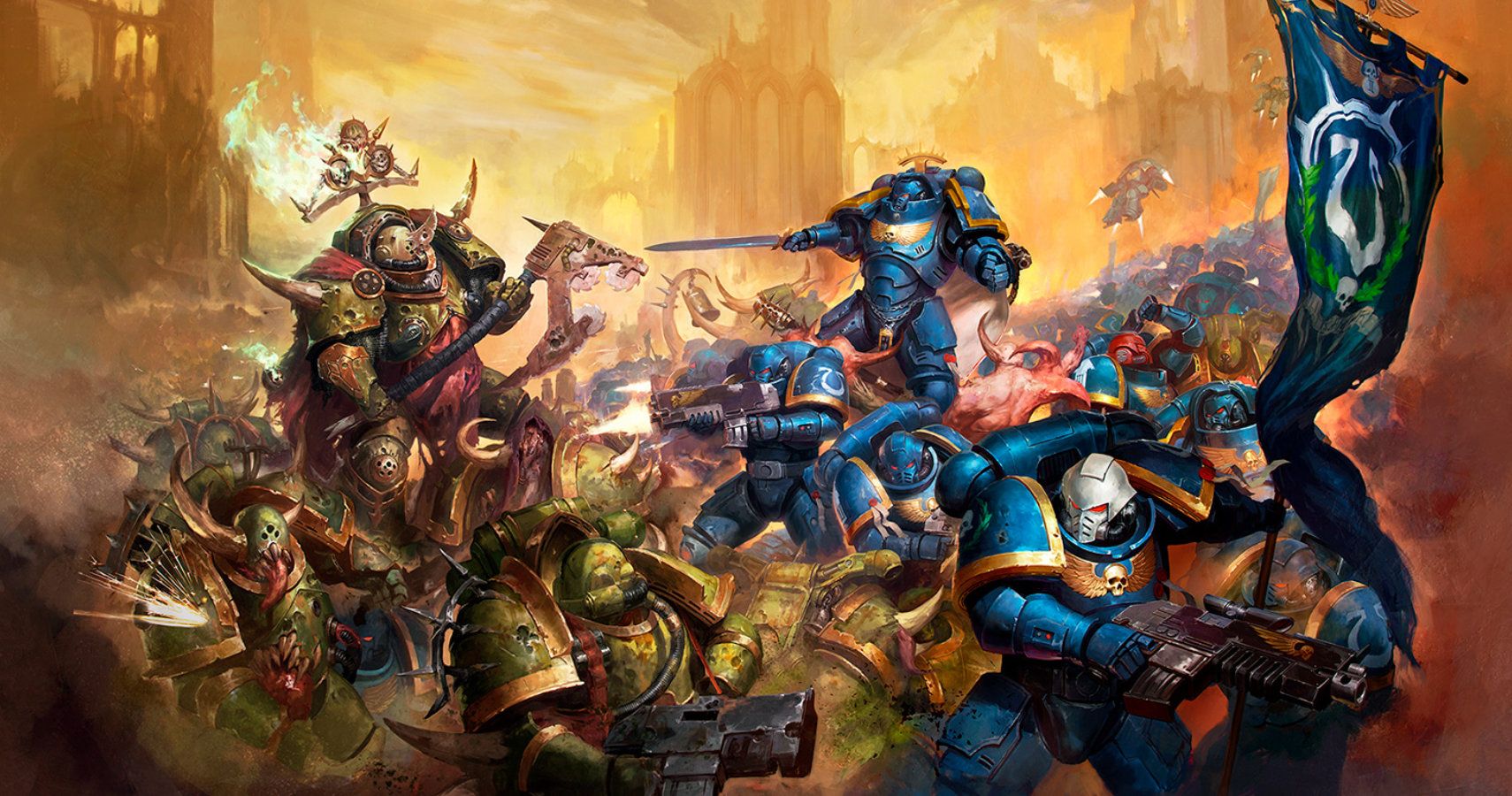
Warhammer 40K is a complex and thrilling tabletop wargame that requires players to plan and execute their strategies to win. Fortifications play a crucial role in any Warhammer 40K winning army. Fortified structures provide protection as well as firepower, and provide strategic advantages to any army that is on the battlefield.
Fortifications in Warhammer 40K are of various types
There are several types of fortifications to choose from in Warhammer 40K, each with its own benefits and applications. This includes:
Bastions The most popular fortifications in Warhammer 40K is bastions. They are huge and impressive and offer an excellent shield for troops and vehicles. They also come with a range of weapons that could be employed to protect against enemy attacks.
Aegis Defense Line The Aegis Defense Line is another well-known fortification, which is a sturdy cover against the fire of enemies. It consists of several sections which can be connected together to create a more extensive defensive line.
Imperial Bunker: This fortified structure is able to shield infantry units from fire from the enemy. The Imperial Bunker also houses several weapon emplacements which can be used to defend against attacks by enemy forces.
Skyshield Landing Pad: The Skyshield Landing Pad is a massive fortification that could be used to attract reinforcements through air transport. It’s also a great protection for troops stationed on the ground.
Benefits of fortifications when playing Warhammer 40K
Fortifications can be beneficial in Warhammer 40K for a variety of reasons for example:
Cover: Fortifications can offer excellent cover for troops and vehicles on the battlefield making them less prone to the fire of enemies.
Firepower: Many fortifications have weapons emplacements that can be utilized to protect against enemy attacks, or to supply additional firepower to the troops.
Strategic benefits: Fortifications can be employed to guard strategic areas on the battlefield, such as chokepoints as well as objectives.
Flexibility: Fortifications can be used for a variety of purposes and can be used for a number of functions, such as providing shelter to troops, as well as offensive weapons.
Using fortifications in Warhammer 40K
To make fortifications work effectively to make fortifications effective Warhammer 40K, it is vital to think about a variety of factors, including:
Fortifications must be strategically placed within the battlefield to maximize their benefits to the army. They should be situated in areas that provide cover or control of important objectives or provide protection to important units.
Integration: The army must integrate fortifications into its overall strategy and it should collaborate with other units and structures in the field.
Flexible: Fortifications should be able of adapting to the ever-changing battlefield conditions and be used in a way that maximizes their strengths and minimizes shortcomings.
Upgrades: Many fortifications can be upgraded with additional weaponry or equipment, which could make them more effective in battle.
Fortifications are an essential part of any successful army for Warhammer 40K. They can provide cover fortifications, firepower, strategic advantages, as well as tactical advantages on the battlefield. Understanding the advantages of each kind of fortification and how to effectively use them during battle can enable you to build an army that is capable of taking on any adversary.